
Content
(Image: https://turnkeypoint.com/wp-content/uploads/2022/10/image-53.png)
When you clear out those old records, your system shortens the time it takes to resolve domain names—meaning that websites can load faster. Studies have shown that up modern authentication troubleshooting to 30% of total page load times can be due to DNS resolution delays. Tackling these potential slowdowns directly can lead to more efficient surfing. Please add IMAP and SMTP settings to your Outlook app, you'll need to manually configure the account settings.

Step I: Restart Your Computer
Often overlooked, this step can be remarkably effective since it allows your operating system to refresh its processes and resolve any lingering issues that might be causing connectivity problems. Whether you’re using Windows or Mac, initiating a restart will help refresh network connections, clear out temporary settings, and potentially fix conflicts from outdated data. FixTechGuide Office 365 troubleshooting After successfully flushing your DNS cache, if you’re still experiencing issues with connectivity, it can feel frustrating.
Method 6: Reduce Outlook Data File (OST) Size
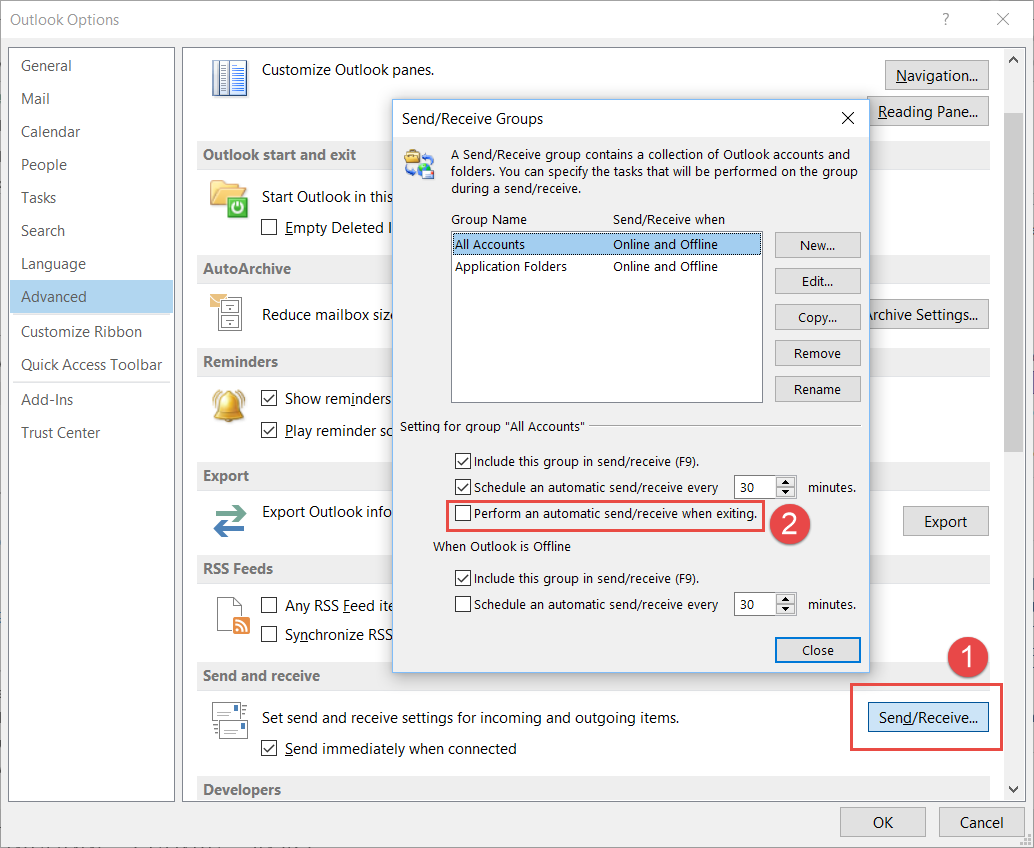
The quickest method is to press Win + R, which opens up the Run mailbox not updating on IMAP dialog box like unlocking a door to an entire world of settings. What you’re doing here is providing your system with commands that can reshape its behavior. Now, manually sync your mailbox using the Update Folder button under the Send/Receive tab.
Can’t connect to Outlook after a reboot until DNS is flushed.
Upgrade to Microsoft Edge to take advantage of the latest features, security updates, and technical support.
To flush the DNS cache, you can open the Command Prompt on Windows and enter the command `ipconfig /flushdns`.For instance, you might find that a website fails to load despite your internet being otherwise active.Each of these commands plays a vital role—essentially refreshing your system’s memory regarding domain names.After hitting Enter, you might not see any visible feedback.When it comes to troubleshooting your internet connection, understanding how a simple act like flushing your DNS cache can remedy multiple problems is key.
RFC 5322 laid down email security specifications for Sender Policy Framework
To flush the DNS cache, you can open the Command Prompt on Windows and enter the command `ipconfig /flushdns`. For Mac users, you can use Terminal and run the command `sudo killall -HUP mDNSResponder` for macOS Mojave and later versions; this process clears outdated entries and can help resolve connectivity issues. During the scanning process, security applications, like antivirus software or Windows Firewall might lock the Outlook data file, leading to the sync issues. To check if the security application is causing the issue, you can temporarily disable the antivirus program or Firewall and then update the folders. If the issue is resolved, it indicates that your antivirus software or Firewall is interfering with Outlook. To resolve this, you can add Outlook and its related processes as exception in your security software or consider switching to a security application that is compatible with Outlook.
Edit this page